All Categories
Featured
Architecting Resilient SaaS Foundations for 2026
Table of Contents
The compounding effect: their PMM group went from developing 4-5 demos per quarter to 30+, covering every launch, every sales play, and every onboarding flow. Branching demos that adapt to the viewer's role or industry.
Automated SEO Management for Large SEO EcosystemsAI exposure ends up being a dedicated practice: weekly monitoring, content optimization for AI citation, competitive tracking throughout AI platformsEvery marketing asset is measurable: material to pipeline, demo engagement to deal velocity, e-mail to activation, community to brand awarenessThe companies operating at this phase (OpenAI, Salesforce, Red Hat, Zapier, Workday) reward interactive product content as facilities, not a project technique.
Generic metrics waste control panels. Here are the ones that suggest whether your method is working, with benchmarks from the Pavilion 2025 B2B SaaS Efficiency Benchmarks and SaaS Capital 2025 Growth Rate Benchmarks: MetricWhat It Informs YouBelow AverageAverageTop PerformersIs your content engine compounding? Listed below 5%5-10%15%+Is your PLG working? Below 2%3-5%8-12%Are users reaching the "aha moment"? Below 15%20-30%40%+How quickly do users experience value? Over 7 days2-3 daysUnder 24 hoursIs marketing adding to profits? Below 20%30-40%50%+Are you getting effectively? Over 18 months12-15 monthsUnder 9 monthsAre consumers broadening? Below 100%105-115%120%+Are you revealing up in AI responses? Not trackedTracked however listed below competitorsLeading your categoryThe last row is the one most teams aren't tracking.
Steps to Managing Cloud SEO Infrastructures
Material + item experience + consumer discussions. Content engine + PLG + customer advocacy + community + AI visibility. Every marketing property serves multiple GTM motions.
AI visibility as a dedicated practice. Measurement across every touchpoint. Your product is your finest marketing possession. Discover ways to put it in front of buyers earlier, regularly, and with less friction. The business winning in 2026 are the ones that stopped talking about their item and started letting buyers experience it.
The strongest strategies layer both: content drives awareness, and the product experience converts. Typical criteria: 15-25% of income for growth-stage companies.
Key Tips for Optimizing Enterprise Digital Assets
These form the technique in ways that do not apply to services or physical items. Content, demand gen, and lifecycle. At scale, add AI exposure and community as devoted functions.
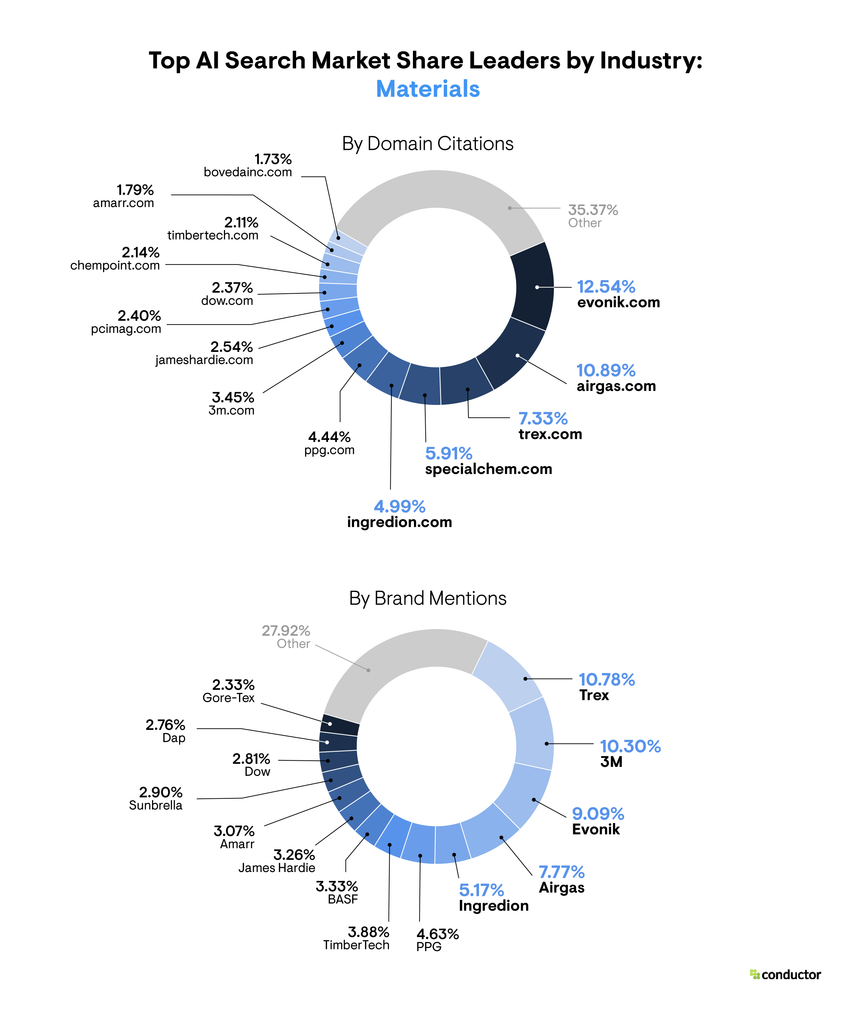
AI answer engines are where a growing share of B2B purchasers begin their research study. If your item doesn't appear when somebody asks about your classification, you're missing discovery. Material structured for AI extraction (contrast tables, direct answers, well balanced mentions) gets pointed out more regularly than standard marketing pages.
With SaaS, the cloud company deals with everything from application development to facilities upkeep. Users merely access the application using a web browser, without needing to install or keep anything and without constraints on device type or place. While the user can configure certain settings and manage approvals, the SaaS supplier manages all elements of upkeep, security and updates.
For instance, let's consider a calendar application. Users desire the ability to add occasions, meetings and consultations without the hassle of setting up settings or worrying about keeping the software application upgraded. If a server stops working due to a misconfiguration or a security breach, users expect the SaaS service provider to resolve the concern and restore their access to the application (preferably without service disturbances).
Guide for Optimizing Automated SEO Networks
The benefit of SaaS comes with tradeoffs. Users have little to no administrative control or capability to customize the software, and integration alternatives can be limited. Using SaaS also suggests that the user does not own the software. The company maintains control over the platform and your data, which limits user oversight.
Automated SEO Management for Large SEO EcosystemsIn this case, business would choose a ready-made SaaS CRM option, unloading all everyday management but relinquishing control (over features and functionality, data storage, user access and security) to the cloud supplier. If a service requires higher control or modification, PaaS or IaaS paired with exclusive software application might be better options.
In reaction to the increasing demand, new SaaS start-ups are springing up. Long-standing SaaS business cast even broader webs, catching a bigger share of the expanding SaaS market.

Latest Posts

test

Engineering Scalable Enterprise SEO Ecosystems

Optimizing Global Resource Delivery for SAAS Marketing